

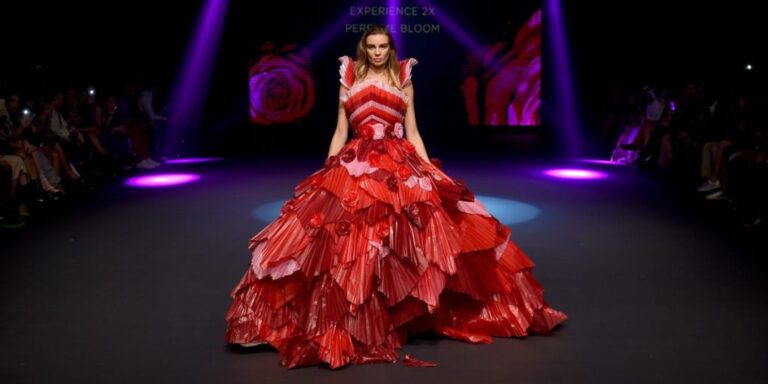

The fashion industry has never stood still, and nowhere is that clearer than when you compare the runways of the 1990s to those of today. Fashion in the ’90s had its own distinct identity, shaped by supermodels, music culture, and a blend of minimalism and maximalism that defined the decade. Fast forward to now, and fashion has morphed into something far more diverse, global, and accessible. Looking back, it becomes clear how trends have shifted, how icons have changed the way we view style, and how the industry has adapted to a more digital, fast-paced world.
The Power of the Supermodel Era
The 1990s will always be remembered as the age of the supermodel. Names like Naomi Campbell, Cindy Crawford, Claudia Schiffer, and Kate Moss dominated the runways and magazine covers. These women weren’t just models; they were household names whose influence stretched far beyond the fashion world. The supermodel was the face of an era where glamour, attitude, and presence ruled the stage.
Back then, fashion shows were events in themselves. Designers like Gianni Versace brought spectacle to the runway, using elaborate sets, bold colors, and jaw-dropping designs. Models strutted with charisma and confidence, embodying the height of luxury. The fashion world was more exclusive, and it felt like only a select few could gain entry into that glamorous circle.
Minimalism Versus Maximalism
One of the most striking things about ’90s fashion is how it swung between minimalism and maximalism. On one end, you had Calvin Klein’s stripped-down campaigns featuring simple slip dresses, tank tops, and muted tones. On the other, designers like Versace and Jean-Paul Gaultier created dazzling, over-the-top looks that embraced bold patterns, loud colors, and daring cuts.
This contrast reflected the spirit of the decade. The rise of grunge, led by bands like Nirvana, inspired an anti-fashion aesthetic of flannel shirts, ripped jeans, and combat boots. At the same time, hip-hop culture brought oversized streetwear, baggy pants, and flashy jewelry into the mainstream. The ’90s became a decade where fashion identities clashed, merged, and evolved into something entirely new.
The Rise of Streetwear and Casual Cool
While the ’80s had been about power suits and structured silhouettes, the ’90s ushered in a more relaxed approach to style. Streetwear started gaining traction, thanks to brands like FUBU, Tommy Hilfiger, and Karl Kani. Skate culture and hip-hop heavily influenced this shift, and suddenly, baggy jeans and logo-heavy sweatshirts became as important as couture gowns.
This casual cool wasn’t confined to youth culture. High fashion began borrowing elements from the street, creating a crossover that laid the groundwork for today’s luxury streetwear. In many ways, the rise of streetwear in the ’90s predicted the collaborations we now see between major designers and sneaker brands.
Fashion’s Shift Toward Diversity
The 1990s were glamorous, but they weren’t particularly diverse. Runways were still dominated by a narrow vision of beauty, though trailblazers like Naomi Campbell and Alek Wek challenged that mold. Representation was limited, and much of fashion was geared toward a Eurocentric ideal.
Today, that landscape looks very different. Diversity has become a central part of runway casting, with models of different ethnicities, body types, genders, and ages gaining visibility. Campaigns are no longer just about one type of beauty. The industry has realized that fashion speaks to everyone, and inclusivity is no longer a side conversation but a standard expectation.
Technology and the Digital Revolution
One of the most dramatic changes from the ’90s to today is the role of technology. In the ’90s, the only way to see a fashion show was to attend in person or wait for magazines and TV coverage. Today, fashion weeks are streamed online, live-tweeted, and dissected on social media in real time. A show can go viral within minutes, with looks circulating globally before the final model leaves the runway.
Social media has also given rise to a new kind of fashion influencer. Where the ’90s had supermodels, today we have influencers and digital creators who shape style trends for millions of followers. Instagram, TikTok, and YouTube have created an entirely new runway that exists online. Designers now cater to both the front row of their shows and the millions watching through their phones.
Sustainability as a Driving Force
In the ’90s, conversations around sustainability were virtually nonexistent in mainstream fashion. The industry was focused on glamour, excess, and fast consumption. Clothes were disposable in the sense that trends shifted quickly, and few people thought about the environmental cost.
Today, sustainability has become a defining theme in the evolution of style. Brands are increasingly pressured to use eco-friendly fabrics, reduce waste, and rethink their supply chains. Secondhand shopping, upcycling, and vintage fashion are no longer niche activities but mainstream trends embraced by both luxury designers and everyday consumers. The emphasis on conscious fashion marks a significant shift in how the industry operates compared to the runway spectacles of the past.
The Evolution of Runway Presentations
Runway shows of the ’90s were grand, glamorous affairs often designed to shock or awe audiences. Designers used elaborate sets, theatrical music, and bold styling to make an impression. While that sense of spectacle still exists today, it has evolved into something more immersive.
Now, fashion shows are experiences that blend art, performance, and technology. Some designers use digital backdrops, holograms, or even entirely virtual runways to present their collections. Others are stripping things back to focus on craftsmanship and intimacy. The diversity in presentation styles reflects the broader diversity of the fashion world itself.
The Return of ’90s Fashion Today
One of the most interesting aspects of fashion evolution is how trends circle back. In recent years, ’90s fashion has returned in a big way. Slip dresses, mom jeans, platform sneakers, chokers, and oversized blazers have all made comebacks. What once defined the decade has been reimagined for a new generation.
The revival isn’t about copying old looks directly. Instead, designers and everyday fashion lovers reinterpret these styles, mixing them with modern silhouettes and fabrics. What results is a nostalgic nod to the past that still feels fresh and current.
The Impact of Celebrity Influence
Celebrity culture shaped fashion in both the ’90s and today, but the way it works has changed dramatically. In the ’90s, celebrities like Princess Diana, Madonna, and the Spice Girls influenced style trends through magazines and television appearances. Their impact was powerful but somewhat limited to those who could access those media channels.
Now, celebrity influence is amplified by social media. A single Instagram post from someone like Rihanna, Zendaya, or Hailey Bieber can spark a worldwide trend overnight. The relationship between celebrities and fashion brands has also grown stronger, with many stars collaborating directly on collections or even launching their own lines.
Fast Fashion and Accessibility
Another major difference between the ’90s and today is how accessible fashion has become. In the ’90s, high fashion was still reserved for those with the means to afford it, while the average consumer shopped at local malls or department stores. The gap between runway fashion and everyday fashion felt wider.
Today, fast fashion brands like Zara, H&M, and Shein quickly replicate runway looks and make them available at low prices. While this has made fashion more democratic, it has also raised concerns about sustainability and ethical production. Still, the accessibility of trends has completely transformed how people engage with style.
Personal Expression Over Strict Trends
In the ’90s, trends often dictated how people dressed. If minimalism was in, closets were stripped down to neutral basics. If grunge took over, wardrobes filled with plaid and ripped denim. The cycle was fast and definitive.
Today, style is less about following one dominant trend and more about personal expression. Fashion has become a mix-and-match culture, where people borrow from different eras, subcultures, and aesthetics to create their own unique look. Social media has amplified this individuality, allowing people to showcase their style and influence others without adhering to traditional trend cycles.
Final Reflections on Fashion’s Evolution
Looking at the journey from the ’90s runway to today, it’s clear that fashion is both cyclical and progressive. Trends resurface, but they return with new meanings and contexts. The glamour of the supermodel era paved the way for the digital influencers of today. Minimalism and maximalism continue to trade places, but the freedom to choose one’s aesthetic has never been greater.
What strikes me most is how fashion has grown more inclusive and accessible. The exclusivity of the ’90s has given way to a world where anyone with a smartphone can influence trends, and anyone with a sense of creativity can express themselves through clothing. The runway may still exist, but the street, the internet, and everyday life have become just as important.
The evolution of style reflects broader cultural changes, from technology to diversity to sustainability. Fashion is no longer just about clothes on a runway; it’s about identity, community, and self-expression. The journey from the ’90s to today proves that while the industry never stops changing, it always finds ways to carry its history into the future.
.gif)


0 Comments