


Meal planning is a powerful tool for maintaining a healthy lifestyle, saving time, reducing stress, and even cutting down on food waste. By…
Meal planning is a powerful tool for maintaining a healthy lifestyle, saving time, reducing stress, and even cutting down on food waste. By thoughtfully preparing meals in advance, you can ensure balanced nutrition, control portion sizes, and make healthier food choices. This article explores practical and creative healthy meal planning ideas, offering tips, recipes, and strategies to help you design meals that are nutritious, delicious, and sustainable.
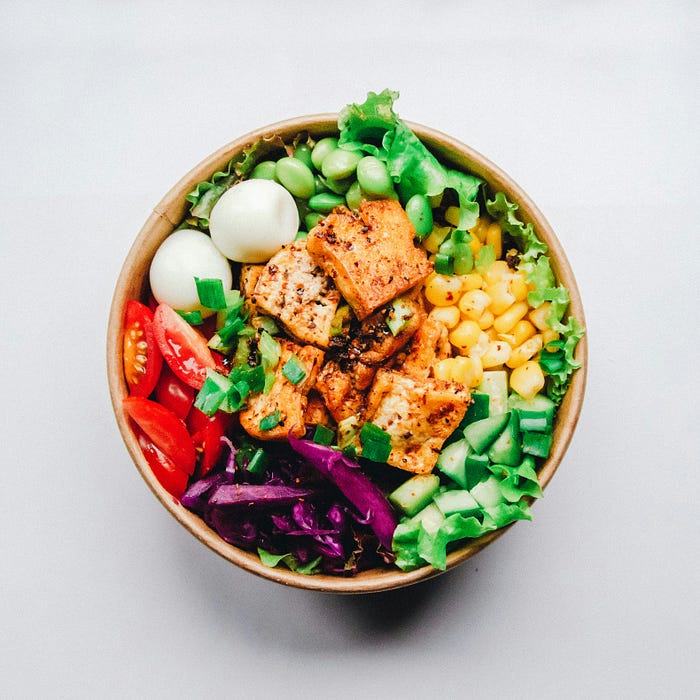
Photo by Brooke Lark on Unsplash
Why Meal Planning Matters
Meal planning involves deciding what to eat ahead of time, typically for a week or more, and preparing ingredients or meals in advance. It’s an effective way to align your diet with your health goals, whether you’re aiming to lose weight, build muscle, manage a medical condition, or simply eat better. Here are some key benefits of meal planning:
1. Nutritional Balance: Planning ensures you include a variety of food groups—fruits, vegetables, lean proteins, whole grains, and healthy fats—in your diet. 2. Time Efficiency: Prepping meals in advance reduces daily cooking time, making it easier to stick to healthy eating habits even on busy days. 3. Cost Savings: By planning meals, you can buy ingredients in bulk, avoid impulse purchases, and minimize food waste. 4. Reduced Decision Fatigue: Knowing what’s for dinner eliminates the daily stress of choosing meals, which can lead to healthier choices instead of relying on takeout or processed foods. 5. Portion Control: Preparing meals in advance helps you manage portion sizes, which is crucial for weight management and mindful eating.
Photo by Anh Nguyen on Unsplash
Key Principles of Healthy Meal Planning
To create a meal plan that supports your health goals, follow these core principles:
1. Prioritize Nutrient-Dense Foods Focus on whole, minimally processed foods that provide essential nutrients. Include: Vegetables: Aim for a variety of colors (e.g., leafy greens, red bell peppers, purple cabbage) to maximize vitamins, minerals, and antioxidants. Fruits: Choose whole fruits like berries, apples, or citrus for fiber and natural sweetness. Lean Proteins: Incorporate plant-based proteins (beans, lentils, tofu) and animal-based proteins (chicken, fish, eggs) for muscle repair and satiety. Whole Grains: Opt for quinoa, brown rice, or whole-grain pasta over refined grains for sustained energy. Healthy Fats: Add avocados, nuts, seeds, and olive oil for heart health and flavor.
2. Balance Macronutrients
Each meal should include a balance of carbohydrates, proteins, and fats to keep you energized and satisfied. A simple guideline is the “plate method”: Fill half your plate with non-starchy vegetables (e.g., broccoli, spinach). Allocate a quarter for lean protein (e.g., grilled chicken, tofu). – Use the remaining quarter for complex carbs (e.g., sweet potatoes, quinoa). Add a small serving of healthy fats (e.g., a drizzle of olive oil or a handful of nuts).
3. Plan for Variety
Eating the same meals every day can lead to boredom and nutrient deficiencies. Rotate proteins, grains, and vegetables weekly to keep things interesting and nutritionally diverse.
4. Consider Your Lifestyle
Tailor your meal plan to your schedule, cooking skills, and dietary preferences. For example: – If you’re busy, focus on batch cooking or one-pot meals. If you’re vegetarian or vegan, explore plant-based protein sources like tempeh or chickpeas. If you have dietary restrictions (e.g., gluten-free, low-carb), swap ingredients accordingly.
5. Practice Portion Control
Use tools like measuring cups, food scales, or pre-portioned containers to avoid overeating. A general guideline for portion sizes: – Vegetables: 1–2 cups per meal. – Protein: 3–6 ounces (about the size of your palm). – Grains: ½–1 cup cooked. – Fats: 1–2 tablespoons or a small handful of nuts.
Photo by Davey Gravy on Unsplash
Step-by-Step Guide to Meal Planning
Step 1: Set Your Goals Determine your objectives, such as weight loss, muscle gain, or simply eating more vegetables. Your goals will shape your meal choices and portion sizes.
Step 2: Choose a Planning Method Decide how you’ll plan: Weekly Plan: Map out breakfast, lunch, dinner, and snacks for 7 days. Batch Cooking: Prepare large quantities of a few dishes to eat throughout the week. Mix-and-Match: Prep versatile ingredients (e.g., roasted veggies, grilled chicken, quinoa) to combine in different ways.
Step 3: Create a Menu Plan meals that align with your goals and preferences. Here’s a sample 5-day meal plan for one person, emphasizing variety and balance:
Sample Healthy Meal Plan (5 Days)
Day 1 Breakfast: Greek yogurt parfait with mixed berries, granola, and a drizzle of honey. Lunch: Grilled chicken salad with spinach, cherry tomatoes, cucumber, avocado, and balsamic vinaigrette. Dinner: Baked salmon with roasted sweet potatoes and steamed broccoli. Snack: Apple slices with almond butter.
Day 2 Breakfast: Overnight oats with almond milk, chia seeds, banana, and walnuts. Lunch: Quinoa and black bean bowl with roasted zucchini, corn, and a lime-cilantro dressing.
Dinner: Turkey meatballs with whole-grain spaghetti and marinara sauce, plus a side salad. Snack: Carrot sticks with hummus.
Day 3 Breakfast: Scrambled eggs with spinach, mushrooms, and whole-grain toast. Lunch: Lentil soup with a side of whole-grain crackers and sliced bell peppers. Dinner: Stir-fried tofu with brown rice, snap peas, and carrots in a low-sodium soy sauce. Snack: A Handful of mixed nuts and a pear.
Day 4 Breakfast: Smoothie with kale, frozen mango, protein powder, and almond milk. Lunch: Tuna wrap with whole-grain tortilla, lettuce, tomato, and a side of cucumber slices. Dinner: Grilled shrimp skewers with quinoa and roasted asparagus. Snack: Cottage cheese with pineapple chunks.
Day 5 Breakfast: Whole-grain waffle with peanut butter and sliced strawberries. Lunch: Chickpea salad with arugula, feta, olives, and lemon-tahini dressing. Dinner: Baked chicken breast with roasted Brussels sprouts and wild rice. Snack: Edamame with a sprinkle of sea salt.
Step 4: Make a Grocery List Based on your menu, list all ingredients you’ll need. Organize the list by store sections (produce, dairy, grains, etc.) to streamline shopping. Check your pantry for staples like olive oil, spices, or rice to avoid duplicates.
Step 5: Prep in Advance Set aside 1–2 hours for meal prep. Tasks might include: – Chopping vegetables for salads or stir-fries. – Cooking grains or proteins in bulk. – Portioning snacks into grab-and-go containers. – Assembling freezer-friendly meals for busy days.
Step 6: Store Properly Use airtight containers to keep meals fresh. Label containers with dates and store them in the fridge (for 3–4 days) or freezer (for up to 3 months). Keep snacks like cut veggies or fruit in clear containers for easy access.
Photo by Eiliv Aceron on Unsplash
Creative Healthy Meal Planning Ideas
1. Theme Nights Add fun and variety by assigning themes to each day of the week: Meatless Monday: Try a vegetarian chili with beans, tomatoes, and spices. Taco Tuesday: Make fish or black bean tacos with whole-grain tortillas and fresh salsa. Stir-Fry Wednesday: Experiment with different veggies and proteins in a light soy or teriyaki sauce. Soup Sunday: Prepare a hearty vegetable or lentil soup for cozy evenings.
2. Mason Jar Salads Layer ingredients in mason jars for portable, fresh salads. Start with dressing at the bottom, followed by grains, proteins, veggies, and greens on top. Shake and eat when ready.
3. Freezer-Friendly Meals Prepare meals that freeze well, such as: Veggie Lasagna: Layer zucchini, spinach, and ricotta with whole-grain noodles. Turkey Chili: Make a big batch and freeze in individual portions. Breakfast Burrito: Fill whole-grain tortillas with eggs, veggies, and cheese, then wrap and freeze.
4. Snack Boxes Create bento-style snack boxes with compartments for: – Veggies (carrots, celery, cherry tomatoes). – Protein (hard-boiled eggs, hummus, cheese cubes). – Carbs (whole-grain crackers, fruit slices). – Fats (nuts, avocado slices).
5. Smoothie Packs Pre-portion smoothie ingredients (e.g., spinach, berries, banana) into freezer bags. Blend with liquid (water, milk, or juice) for a quick breakfast or snack.
Photo by Nature Zen on Unsplash
Tips for Success
1. **Start Small**: If you’re new to meal planning, begin with 2–3 days instead of a full week. 2. **Use Leftovers Strategically**: Repurpose leftovers into new meals (e.g., leftover roasted chicken in a wrap or salad). 3. **Invest in Tools**: Quality containers, a slow cooker, or an Instant Pot can simplify prep. 4. **Stay Flexible**: Life happens—keep simple backup meals (e.g., frozen veggies and canned beans) for busy days. 5. **Track and Adjust**: Monitor how you feel and adjust your plan to meet your energy, taste, or nutritional needs.
Common Challenges and Solutions
– **Challenge**: Lack of time. – **Solution**: Focus on quick recipes (under 30 minutes) or batch-cook on weekends. – **Challenge**: Food boredom. – **Solution**: Experiment with new spices, herbs, or cuisines (e.g., Indian, Mediterranean). – **Challenge**: Food waste. – **Solution**: Plan meals that use similar ingredients and freeze extras. – **Challenge**: Cravings for unhealthy foods. – **Solution**: Include healthy versions of favorites, like baked sweet potato fries or dark chocolate for dessert.
—
Sample Recipe: Quinoa Veggie Bowl **Ingredients** (Serves 2): – 1 cup cooked quinoa – 1 cup roasted chickpeas – 1 zucchini, sliced – 1 red bell pepper, chopped – 2 cups spinach – 2 tbsp olive oil – 1 tbsp tahini – Juice of 1 lemon – Salt and pepper to taste
**Instructions**: 1. Preheat oven to 400°F (200°C). Toss chickpeas, zucchini, and bell pepper with 1 tbsp olive oil, salt, and pepper. Roast for 20 minutes. 2. Divide quinoa and spinach between two bowls. 3. Top with roasted veggies and chickpeas. 4. Whisk tahini, lemon juice, and 1 tbsp olive oil for dressing. Drizzle over bowls.
Nutrition (per serving): ~400 calories, 15g protein, 50g carbs, 15g fat.
Photo by Abdelrahman Sarayreh on Unsplash
Conclusion
Healthy meal planning is a practical and sustainable way to nourish your body, save time, and reduce stress. By focusing on nutrient-dense foods, balancing macronutrients, and incorporating variety, you can create meals that are both delicious and aligned with your health goals. Start with a simple plan, experiment with new recipes, and adjust as needed to fit your lifestyle. With a little preparation, healthy eating becomes not just achievable but enjoyable.
For more inspiration, explore cookbooks, food blogs, or apps like MyFitnessPal or Yummly to discover recipes and track your nutrition. Happy planning
.gif)