


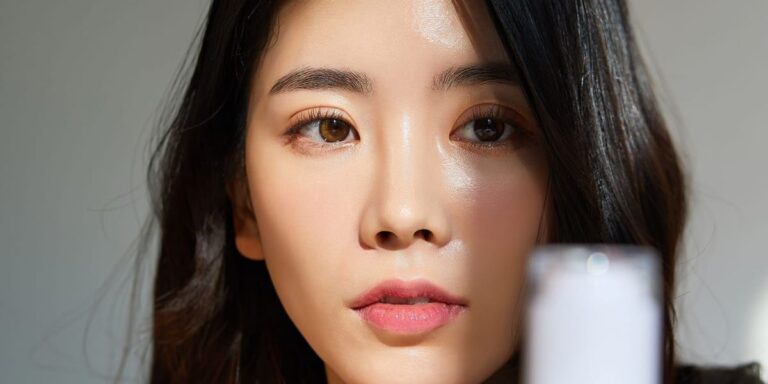

Glass skin has been one of those beauty phrases floating around for years, and in 2025, it’s still a buzzword that refuses to fade away. For me, the idea of glass skin is more than a passing trend; it’s a beauty philosophy that captures what so many people secretly want, skin that looks so smooth, clear, and luminous it almost reflects light like polished glass. Models have been flaunting this glow on runways and in campaigns, making it seem effortless, but behind the sheen is a meticulous approach to skincare and makeup.
I’ve spent time experimenting with different routines, talking to industry experts, and trying to decode why models seem to pull it off with ease. What I’ve found is that glass skin isn’t about a single product or even a quick fix. It’s about creating balance, building rituals that nourish, and layering products in a way that makes the skin look like it’s naturally lit from within. The trick lies in consistency, hydration, and clever makeup techniques that don’t mask but enhance.
What Glass Skin Really Means
Glass skin isn’t about perfection, though it may appear flawless at first glance. It’s about skin that looks plump, clear, and almost translucent. The surface is smooth without noticeable texture, pores are minimized, and hydration is maximized. Unlike matte finishes or powder-heavy looks, glass skin thrives on dewiness. It’s a reflection of health and care, not just makeup artistry.
When I look at models backstage, their skin always has that lit-from-within glow before makeup even touches their face. That’s the foundation of the trick, skin that’s treated well enough that it doesn’t need to be covered up. The products and techniques used afterward only enhance what’s already there.
The Role Of Skincare In Glass Skin
The first thing I learned while chasing the glass skin effect is that skincare is the backbone of the entire look. You can’t rely on makeup alone to create that depth of radiance.
A typical routine starts with double cleansing, a method borrowed from Korean beauty traditions. An oil-based cleanser removes sunscreen and makeup, followed by a water-based cleanser that clears sweat and impurities. This ensures that nothing dulls the skin’s surface. From there, exfoliation becomes crucial but must be gentle. Harsh scrubs strip away too much, leaving irritation, while chemical exfoliants like lactic acid or polyhydroxy acids refine texture without damage.
Hydration layers are the heart of the process. Essences, serums, and toners are applied in light layers, each adding a boost of moisture. Hyaluronic acid, niacinamide, and peptides all work to plump the skin, giving it that cushion-like bounce. Models often use sheet masks before shows to flood the skin with hydration quickly. I tried this before an event, and the effect was immediate, the skin looked softer, brighter, and makeup applied effortlessly afterward.
.gif)


0 Comments