

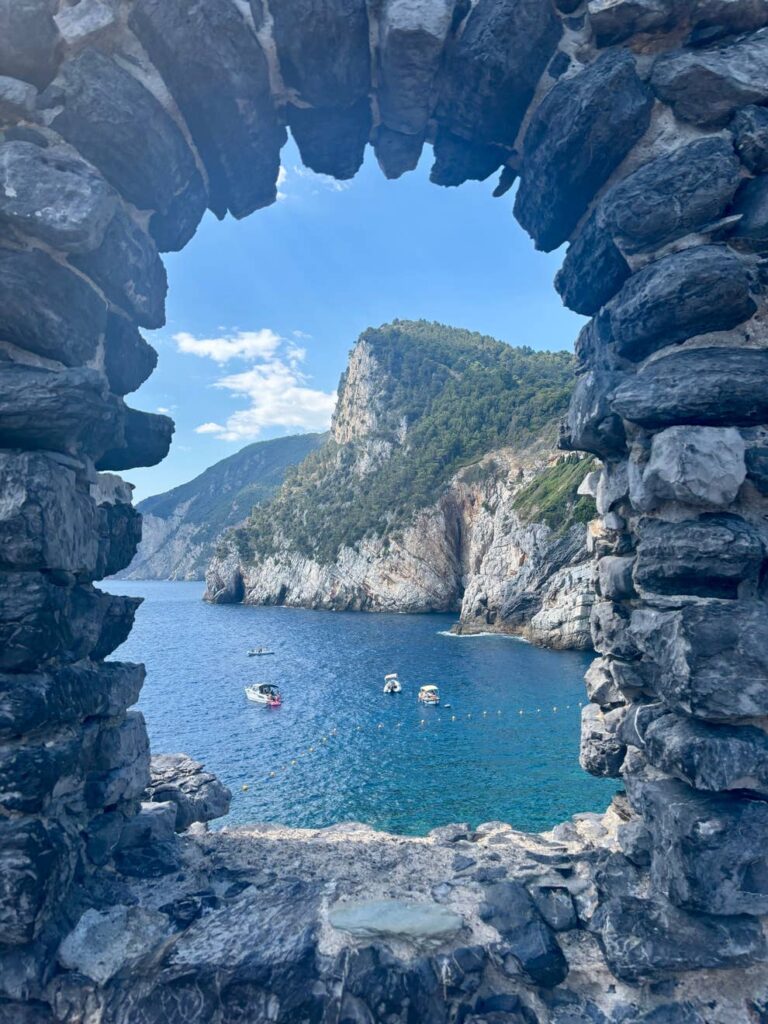

My husband and I just moved from Canada to a small village in Italy. I know, what a sentence. And while we still have sooooo much to learn about this beautiful country, the locals have already taught us plenty…including the things that make them roll their eyes when tourists visit. So consider this your crash course on how to be the kind of tourist Italians actually love to have around on your summer vacation. But first…just look at how STUNNING this country is! DAMN!
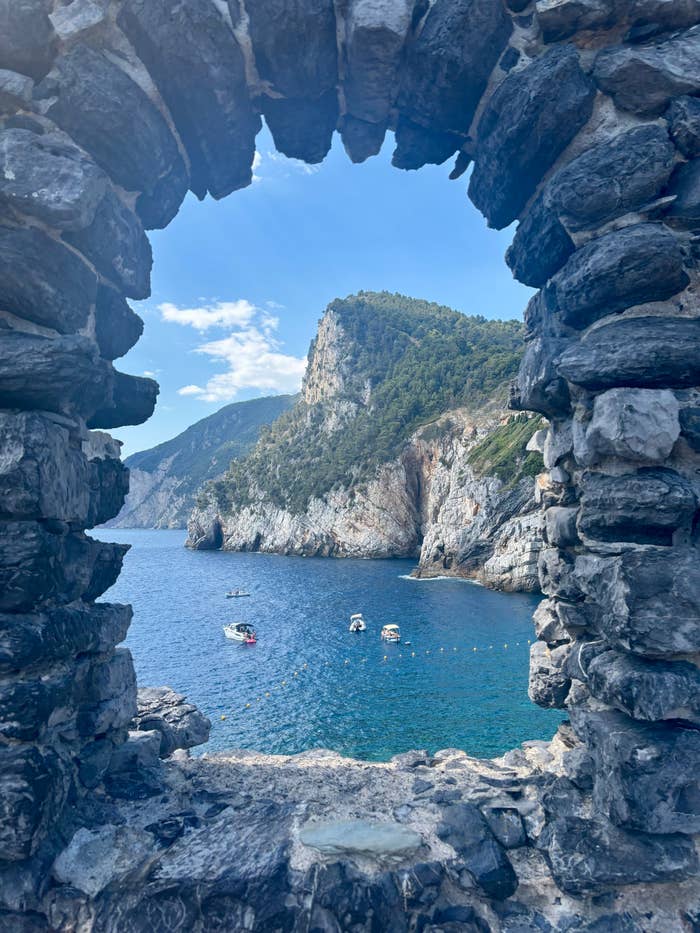
Okay, let’s get to it…
1. Ordering tap water is a big NO
When you sit down at a restaurant in Italy, you’ll almost always be asked if you want still (naturale) or sparkling (frizzante) water. Either way, it’s coming in a bottle with a price tag. If you ask for tap water (acqua del rubinetto), they might say yes…but they most likely will give you a look that makes you regret every decision you’ve made up until that moment.
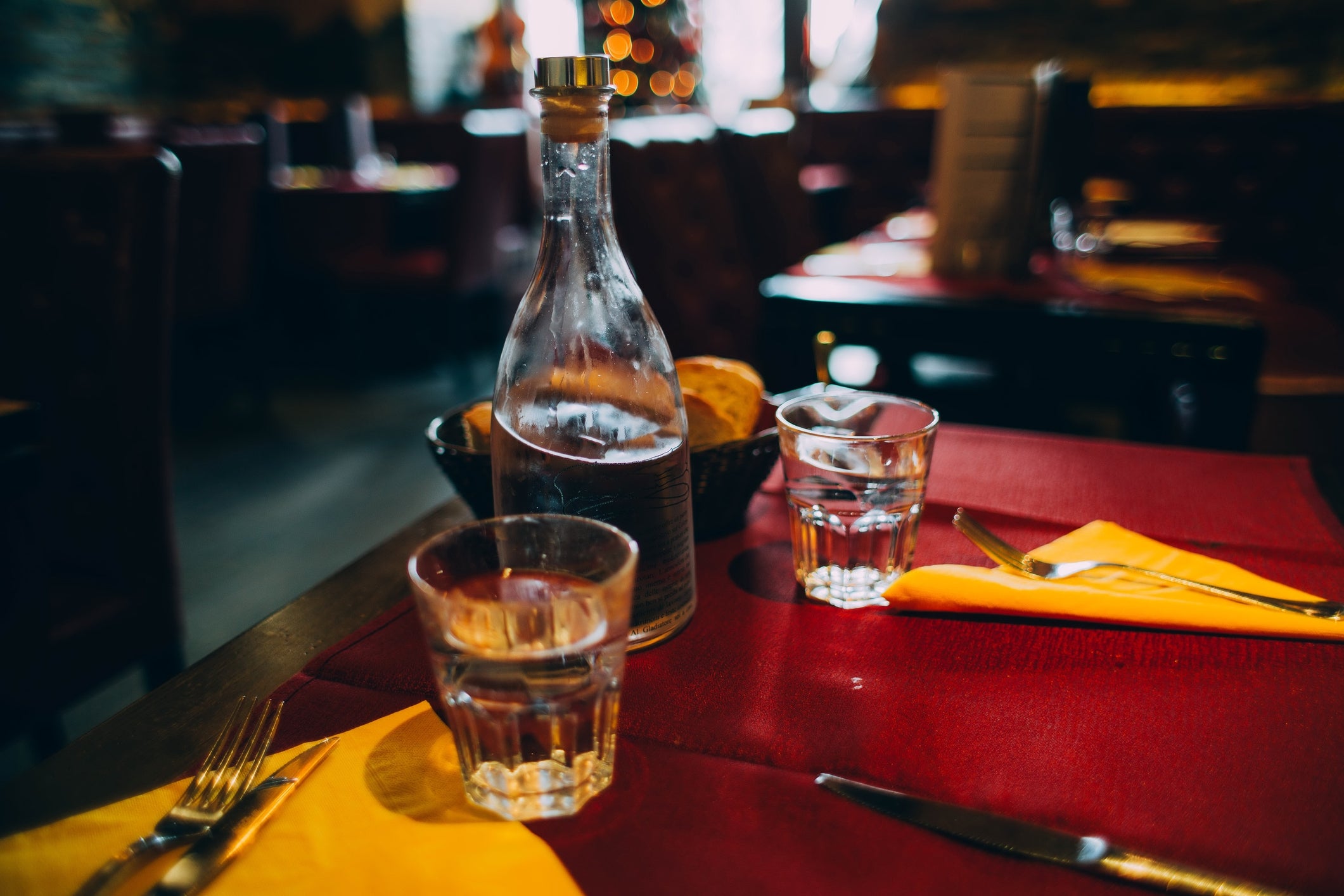
Around here, asking for tap water is a bit of a cultural faux pas. While free pitchers of tap water are standard in Canada, that’s definitely not the norm in Italy. Honestly, from what we’ve seen so far, most people just skip the water altogether and go straight for the wine. Or just be prepared to pay for hydration.
2. NEVER lick the espresso or cappuccino spoon
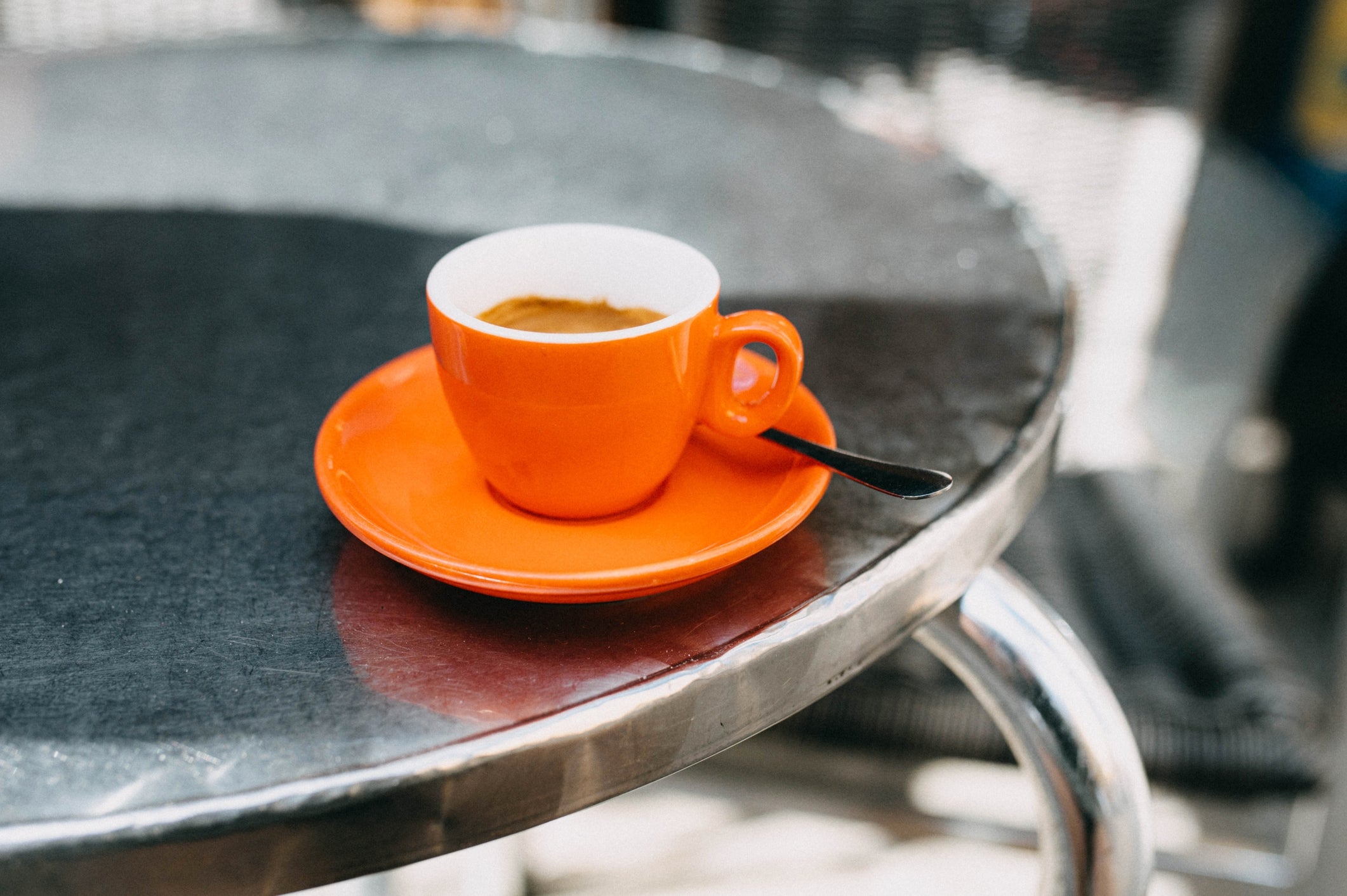
Coffee culture in Italy is a whole different world. You’re not grabbing a 26-ounce caramel-whatever from Starbucks and carrying it around all morning. Here, coffee means espresso. If you want milk, order a cappuccino (espresso with frothy milk). Some cafés will make you an Americano (espresso with hot water), but asking for one is a pretty easy way to announce, “Hi, I’m American.” (But hey, it’s in the name.)

One little coffee etiquette rule that surprised us? Well, your espresso or cappuccino will usually come with a tiny teaspoon resting on the saucer. After you stir in your sugar, DO NOT lick the spoon or put it back in your mouth. Italians consider that pretty impolite. Instead, give the spoon a little tap on the edge of your cup and place it back on the saucer. It may seem like a tiny detail, but in a country that treats coffee like an art form, the little things matter.
3. Cappccinos are strictly for the morning
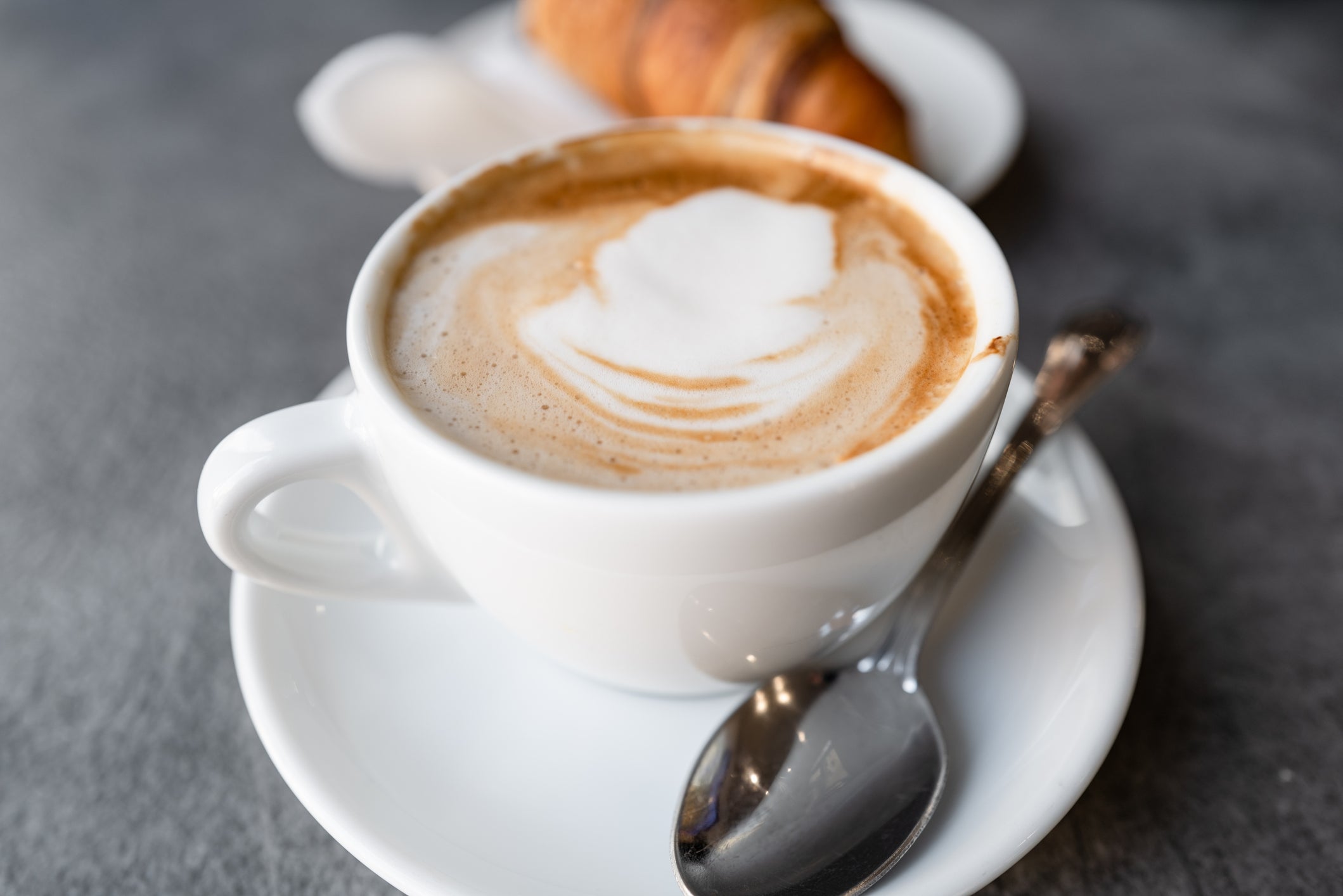
I’m not going to lie…I’m not an espresso girl. I need the milk. So yes, I have 100% been ordering cappuccinos well into the afternoon. Sometimes even after 4 p.m (GASP!). And let me tell you, the Italians notice. A cappuccino is considered a breakfast drink in Italy. After around 11 a.m., the unofficial rule is that you switch to espresso only.
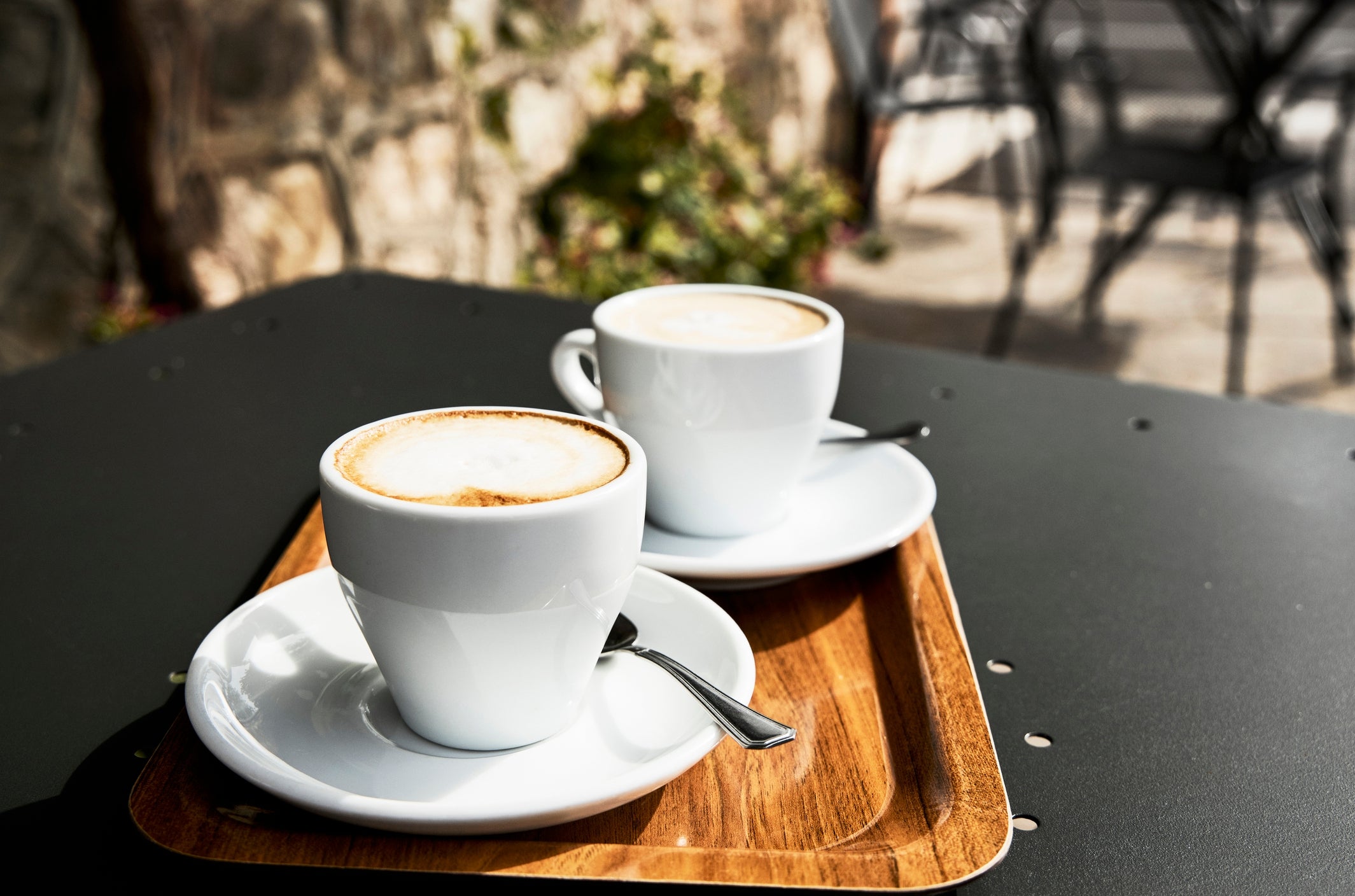
Ordering a milky coffee in the afternoon won’t get you kicked out of the caffè, but their glances might make you wanna leave anyway. So I’ll share the cultural rule…even though I am very much not following it yet. Give me another month, though. Maybe I’ll become a true espresso drinker. Time will tell.
4. Drinks come with food
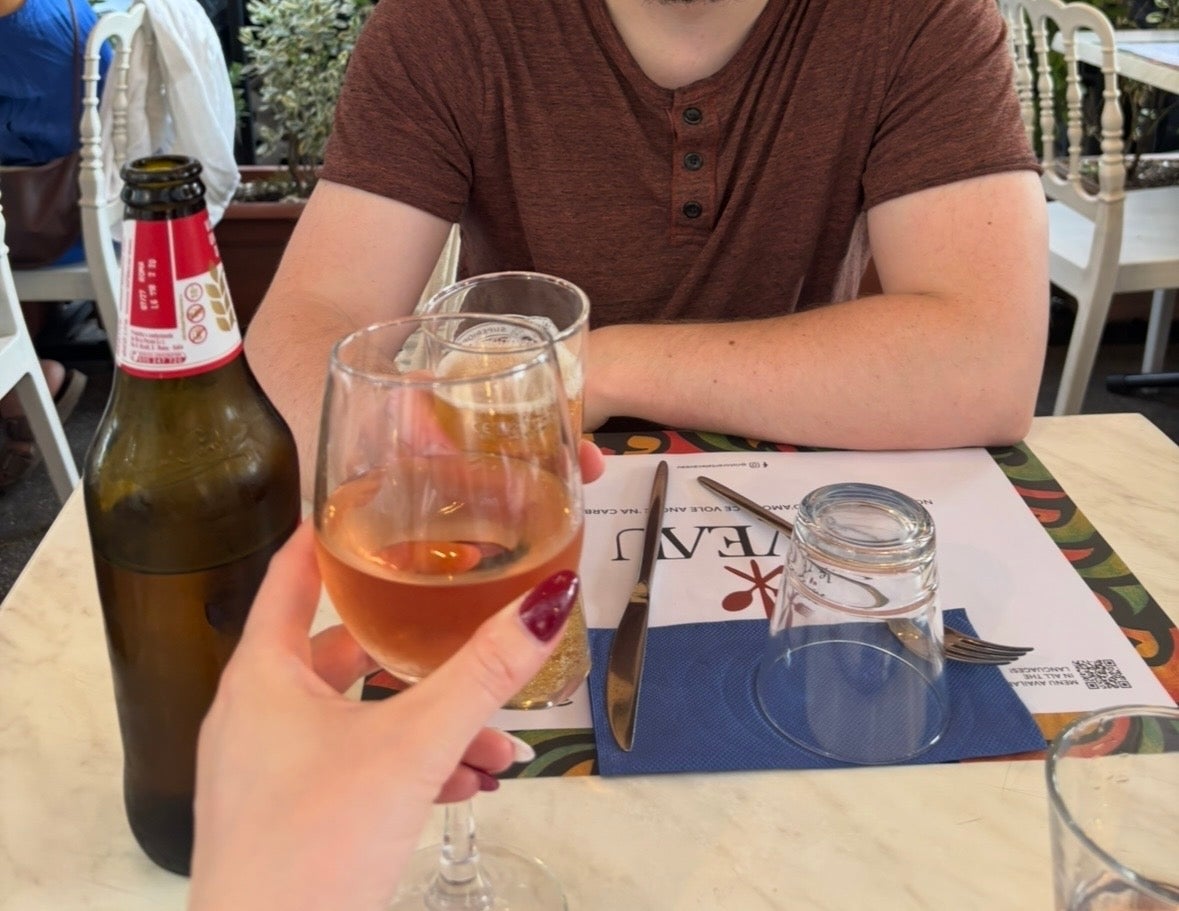
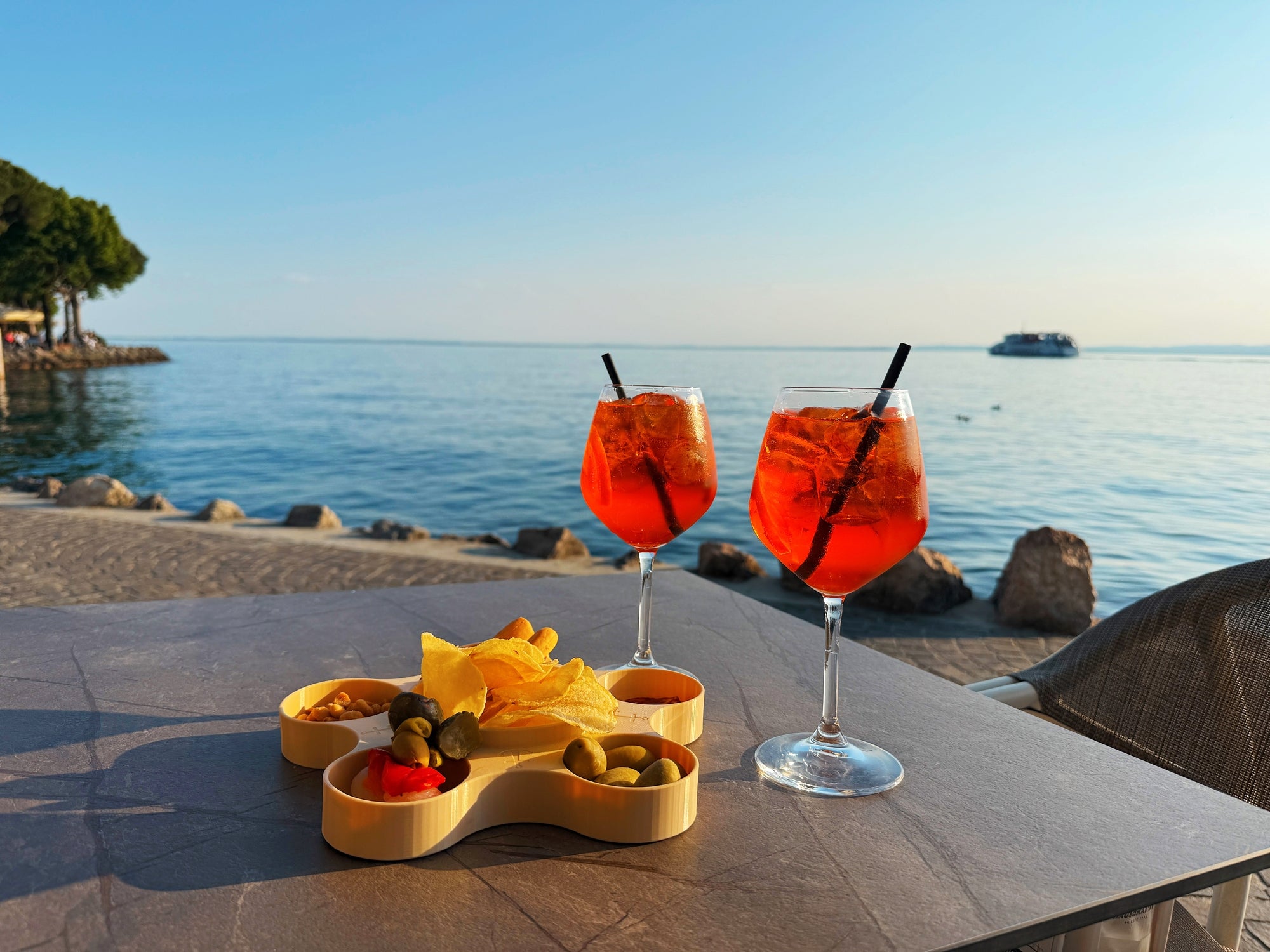
In Italy, dinner starts much later than it does in North America. That’s why the evening usually begins with aperitivo — a pre-dinner drink paired with a few complimentary snacks . It typically happens between 6–8 p.m., and your drink might come with olives, chips, peanuts, or bread with olive oil.

nd if you’re invited to someone’s house for a drink, don’t expect it to be just drinks. According to our neighbours, serving wine without food is practically unheard of. In Italy, you simply don’t drink on an empty stomach. Which means my years of pre-gaming on nothing but bad intentions back in Canada are officially over. Bring on the olives with my Aperol Spritz, grazie!
5. 5:30 p.m. dinner is LAUGHABLE
Dinner in Italy starts late, which means many restaurant kitchens don’t even open until around 7 p.m., and people often don’t sit down to eat until 8 or later. ENTER APERITIVO. If you’re a tourist getting hangry around 5:30 p.m., don’t expect dinner early.

Instead, grab a drink and enjoy the complimentary snacks while you ease into the evening. Sit, chat, people-watch, sip your Spritz, nibble on some olives, and embrace the slower pace. No one is in a hurry here, so just enjoy that drink (or three) and dream of the pasta you’ll devour in two hours.
6. Restaurant service is slow (in a good way)
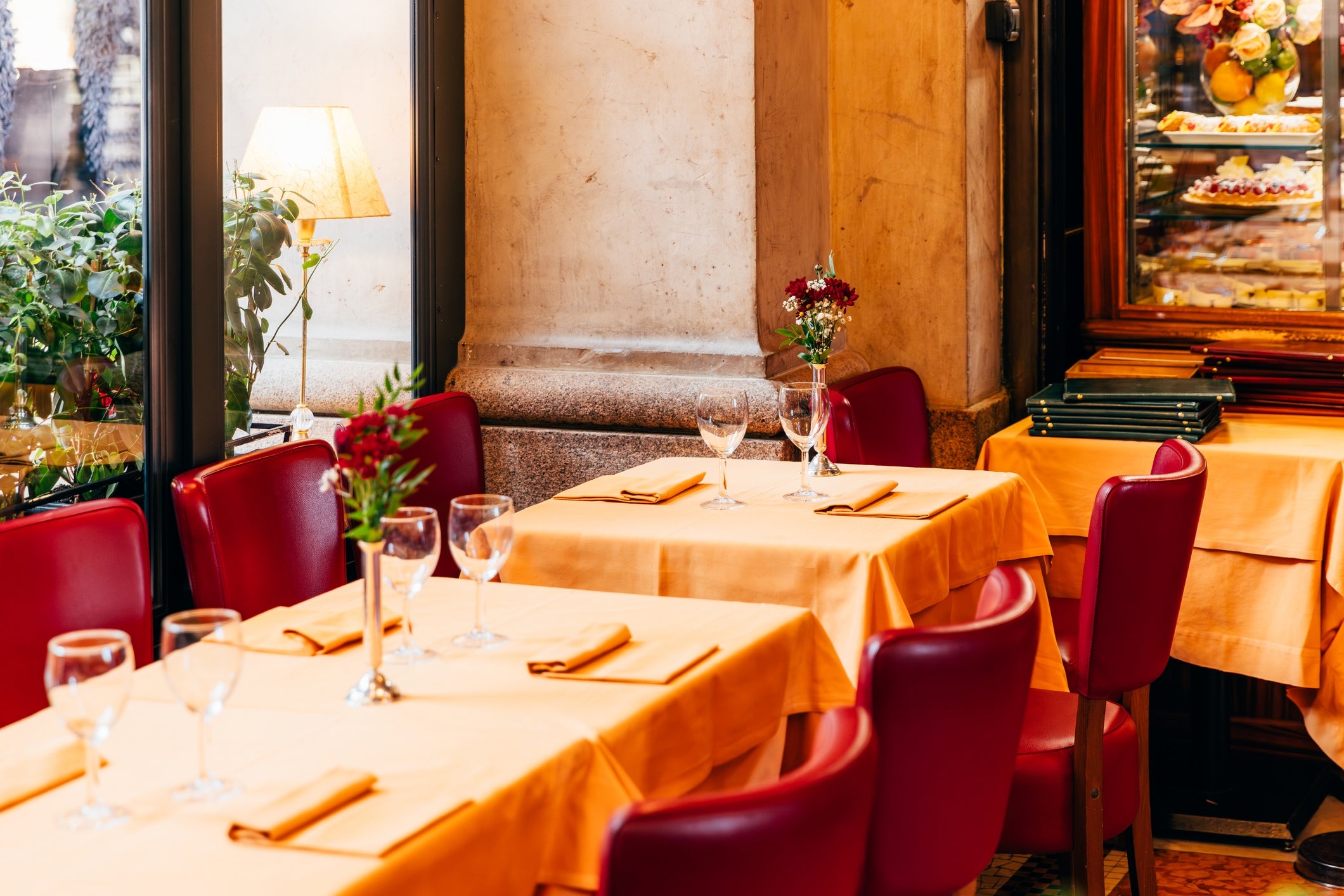
In Italy, mealtime isn’t something to race through. No, it’s something to ENJOY. (What a concept!) Unless you ask for the bill, your server probably won’t bring it. They’re not trying to ignore you; they’re assuming you’re still having a good time. If you’re used to North American restaurants, it can be a bit of a culture shock. Back in Canada, where I worked as a server for years, our job was to “flip” tables as quickly as possible. We’d check in every 5–10 minutes, refill drinks before they were empty, and get you in and out in under an hour if that’s what you wanted. Italy is the complete opposite. Dinner is meant to last for hours.

Th focus isn’t just on the food. It’s on the conversation, the company, and the entire experience. Your server probably won’t stop by every five minutes, so if you want another Aperol Spritz or need something else, just catch their eye and ask. If you’re on a tight schedule, let your server know when you sit down, or grab something quick at a café instead. But if you have the time, lean into the Italian way of doing things. Slow down, stay awhile, and enjoy the fact that nobody is trying to rush you out the door. Honestly, it’s one of my favourite parts of living here.

7. DO NOT, I repeat, DOOO NOOOTTTTT ask for cheese on a seafood pasta
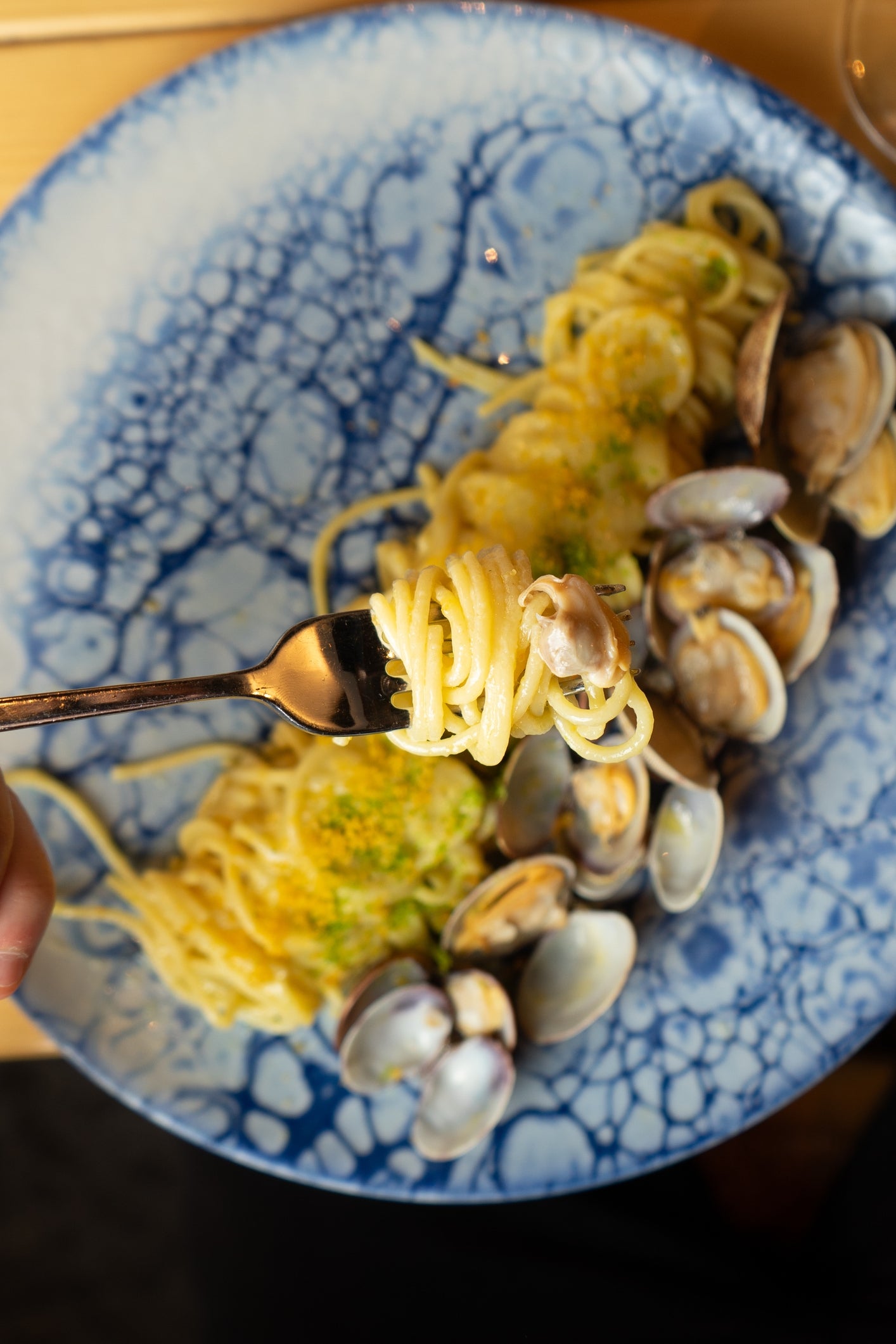
Ordering the seafood linguine? Or maybe spaghetti with clams? We know you love allllll that Parmigiano Reggiano…but this is one time you should keep your love of cheese to yourself. In Italy, asking for Parmesan on a seafood pasta is practically a culinary crime. Italians believe the cheese overpowers the delicate flavour of the seafood, so if you ask your server to sprinkle some on top, don’t be surprised if you get a few raised eyebrows…or the occasional eye roll.

Will they stop you? Probably not. (Not that I’ve tested it.) But they’ll definitely know you’re a tourist. When in Italy, trust the chef. They know what works and what doesn’t.
8. Chicken and pasta don’t mix
Craving that creamy chicken Alfredo you love from your favourite Italian restaurant back home? Well…maybe don’t order it in Italy unless you’re prepared for some confused looks. Dishes like chicken Alfredo (or pasta with chicken in general) are very much an Italian-American creation, not something you’ll typically find on an Italian menu.
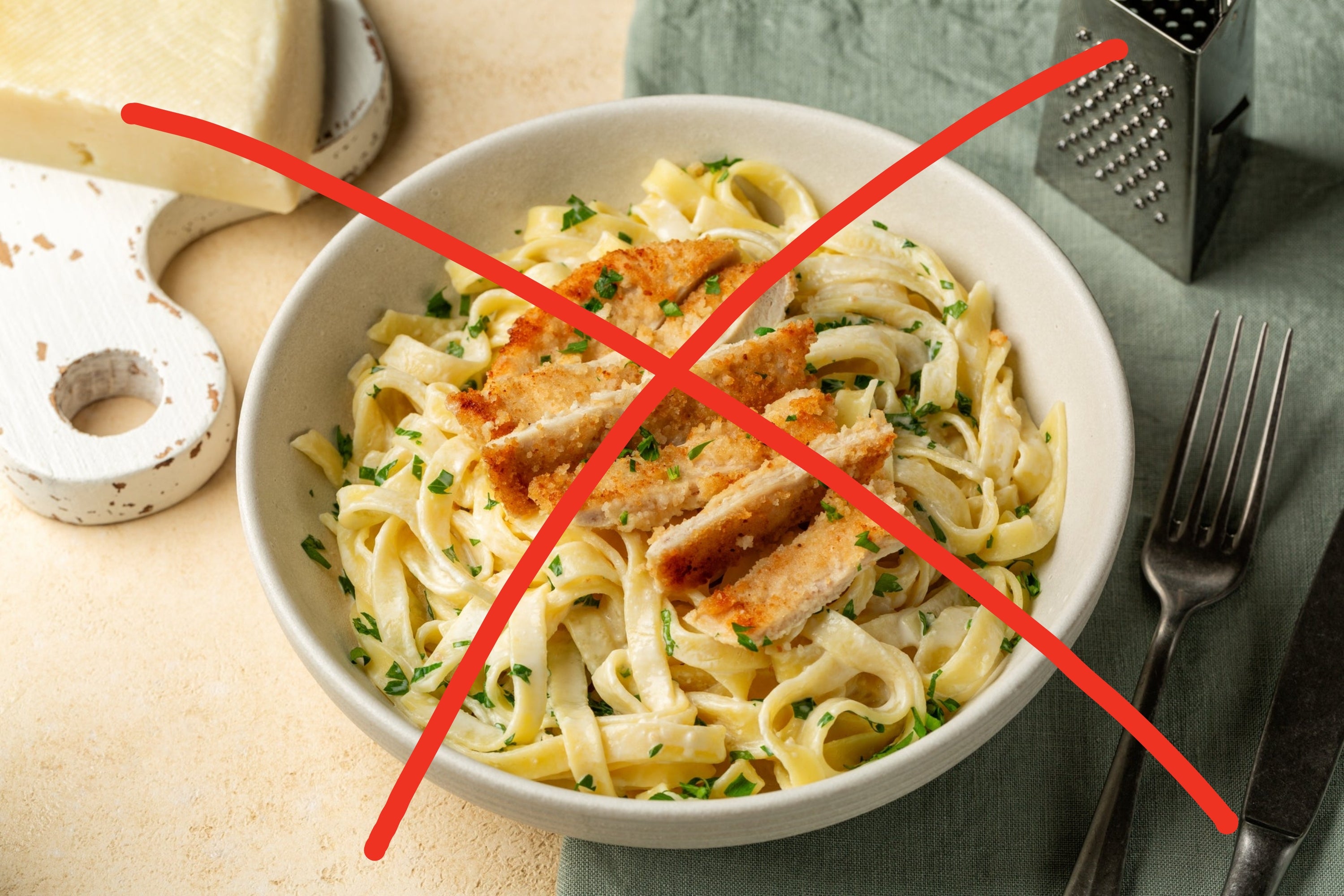
In Italy, chicken and pasta are usually considered two completely separate dishes — you don’t toss them together in one bowl and call it dinner. So if you ask for chicken on your pasta, don’t be surprised if your server gives you a look that says, “Excuse me?”
9. Meals aren’t for modifying
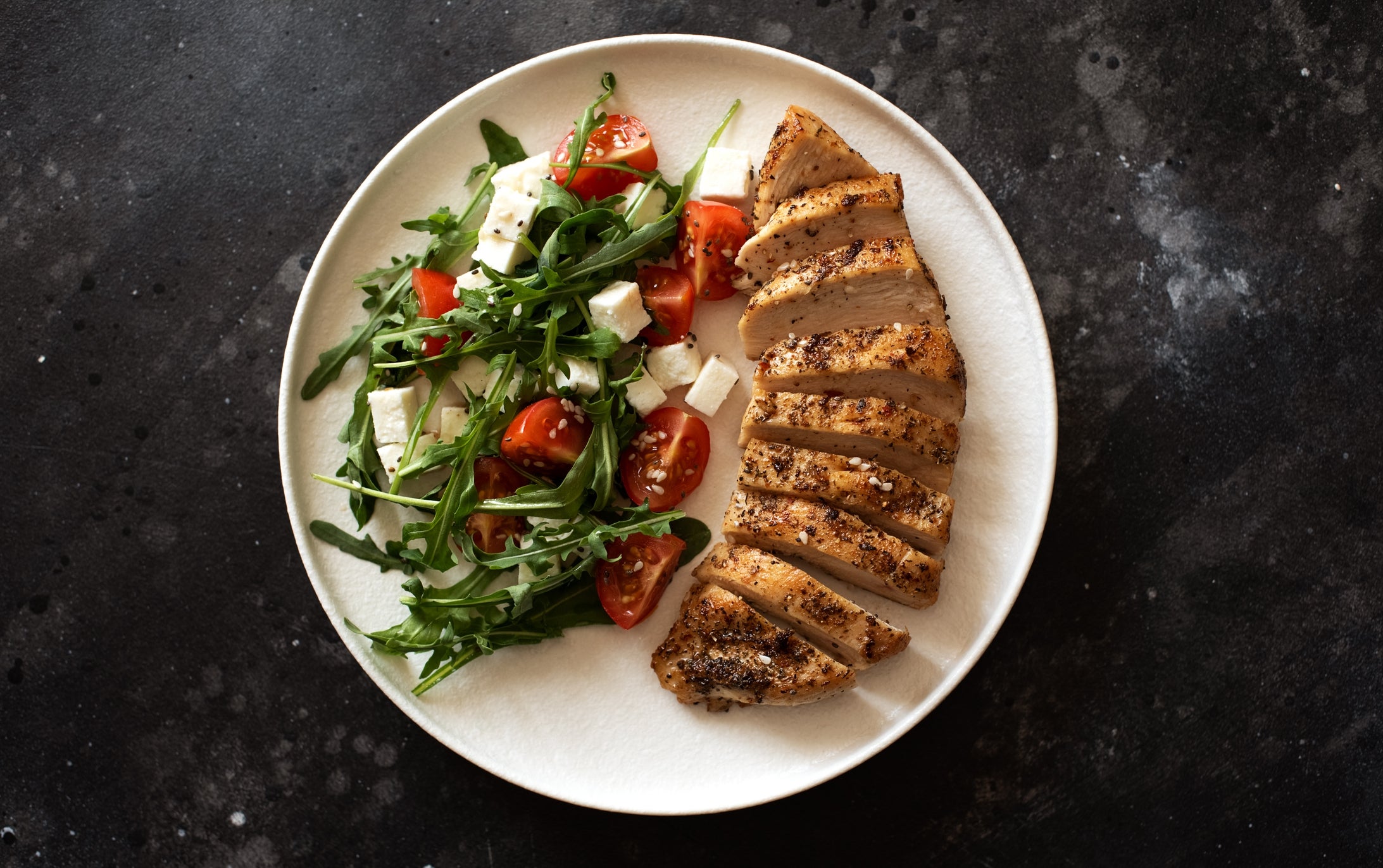
I know in Canada and the U.S., we’re used to ordering like we’re the chef creating our own custom masterpiece. You know, like, “I’ll have the salad, but no tomatoes, add avocado, swap the dressing, and can you put it on the side?” Yeah…that’s not really a thing in Italy. Unless you have an allergy or a serious dietary restriction, asking for a bunch of modifications is usually frowned upon.
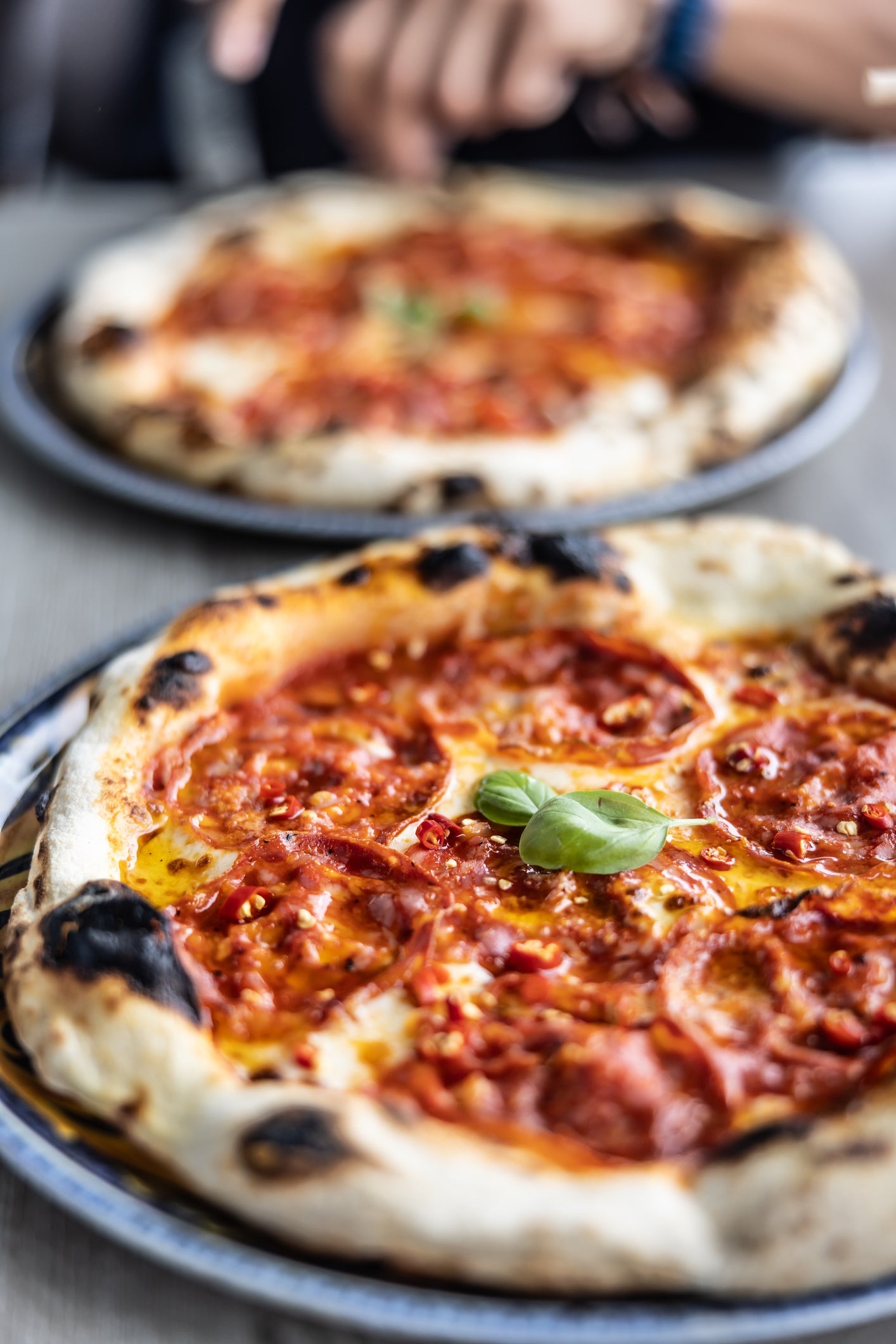
Italians believe the dish was created a certain way for a reason. If you don’t like a topping on a pizza, you don’t order that pizza. So resist the urge to redesign your meal like you’re playing Cooking Mama. Trust the chef, embrace the tradition, and enjoy it the way it was meant to be eaten. Authenticity is kind of the whole point.
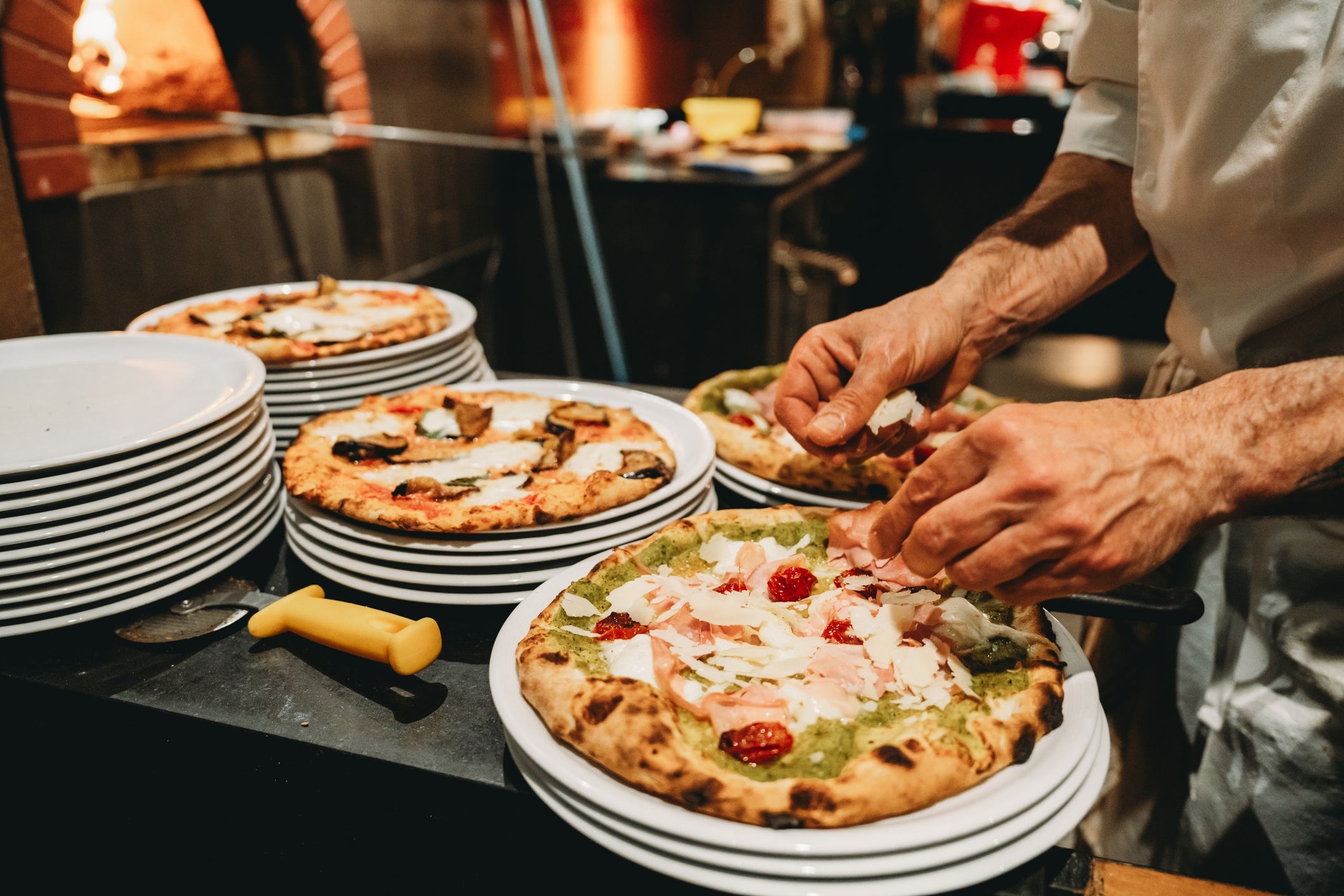
10. Long noodles stay long
Don’t you dare cut that spaghetti. Or any long noodle, for that matter. Honestly, I think this should be a thing in Canada, too. When I see people doing it, it makes me cringe. It just feels wrong. In many Italian restaurants, you also won’t be given a spoon to help twirl your pasta as you might find in some places in North America. Instead, you’re expected to do it the Italian way: use your fork, twist it against the plate until you’ve created the perfect little bundle of noodles, and then go in for the bite.
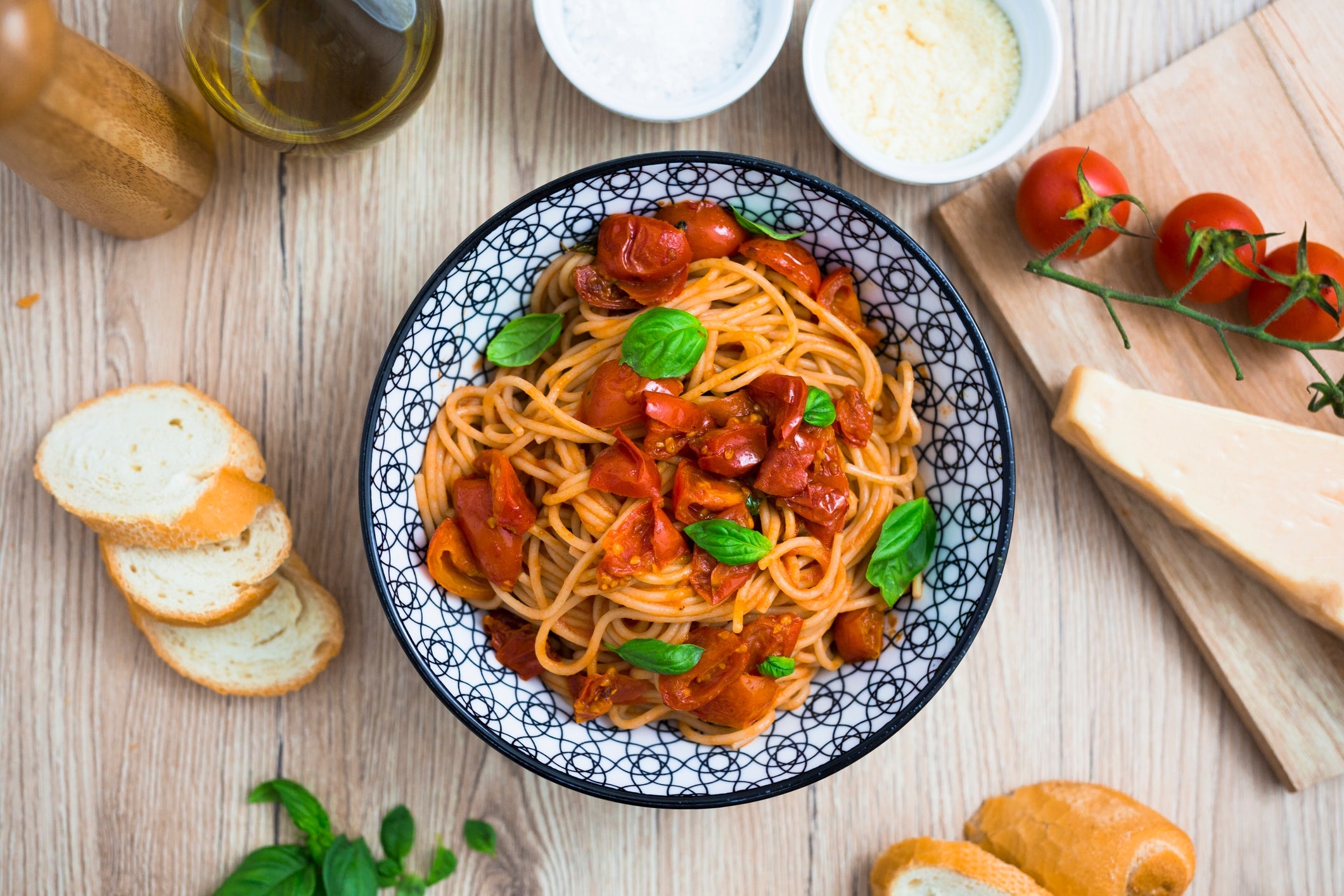
No cutting it into tiny pieces. No asking for a spoon. No turning your spaghetti into a TODDLER’S MEAL. Just twirl and use that wrist action.
.gif)


0 Comments